
fbpx

Hidden H. pylori Infection: Reflux, IBS, Low Iron & What To Do

If you’ve been battling heartburn, reflux, bloating, IBS symptoms, or unexplained low iron—despite “doing all the right things”—there may be a missing piece that’s surprisingly common and often overlooked: H. pylori.

H. pylori (Helicobacter pylori) is a corkscrew-shaped bacteria that can live in the stomach for years, sometimes silently. For some people it causes obvious symptoms like reflux or stomach pain. For others, it stays under the radar while disrupting digestion, nutrient absorption, and even immune balance.

In functional medicine, we look for root causes. And hidden infections like H. pylori are one of the most important “why’s” behind stubborn gut issues that don’t improve with standard advice.

Let’s break it down—what H. pylori is, why it’s missed, what symptoms it can cause, and how a whole-body approach can help you finally move forward.

What Is H. pylori?

H. pylori is a highly prevalent stomach bacteria that thrives in an environment most organisms can’t survive: stomach acid.

It’s also extremely contagious and often acquired in childhood. It can spread through saliva and close contact (sharing utensils, cups, or kissing), and it can be passed among family members.

Here’s the tricky part: some people can have H. pylori with minimal or no classic symptoms—yet it can still cause significant changes behind the scenes.

Why H. pylori Is So Often Missed

Many people (and even many clinicians) look for H. pylori only when ulcers are suspected.

But H. pylori can show up in less obvious ways:

  • Low iron despite eating iron-rich foods

  • Low B12 despite adequate animal protein intake

  • IBS symptoms that don’t resolve with common diets (like low FODMAP)

  • Brain fog and fatigue after eating

  • Bad breath that persists despite good dental care

  • Bloating, nausea, and frequent burping

  • Reflux that comes and goes

Symptoms alone can’t confirm H. pylori. Testing matters—and the right test matters.

Can H. pylori Cause Reflux and Heartburn?

Yes—and this is one of the biggest “aha” moments.

Many people assume reflux means too much stomach acid. In reality, reflux is often linked to too little stomach acid.

Here’s why:

  • A valve (sphincter) between the esophagus and stomach is designed to stay closed.

  • It closes properly when the stomach environment is acidic enough.

  • When H. pylori suppresses stomach acid over time, that valve can become “slack,” allowing stomach contents to reflux upward.

Low stomach acid also impacts digestion by:

  • Reducing enzyme activation needed to break down proteins and fats

  • Decreasing absorption of key nutrients (iron, B12, calcium)

  • Lowering your defence against other pathogens entering the gut

So, if you’ve been taking long-term acid blockers and still feel stuck, this is a conversation worth having with your healthcare provider. Never stop prescribed medication without medical guidance—but do consider whether your reflux is a symptom of a deeper imbalance.

How H. pylori Can Lead to Nutrient Deficiencies

One of the biggest functional medicine clues is unexplained nutrient deficiency.

When stomach acid is chronically low, your body struggles to absorb nutrients properly—especially iron and vitamin B12. That can contribute to:

  • Fatigue and low energy

  • Hair loss

  • Weakness and exercise intolerance

  • Mood changes

  • Nervous system symptoms (B12 is essential for nerve function)

  • Persistent cravings and feeling “never satisfied” after eating (your body stays hungry when it’s nutrient-depleted)

If you’re supplementing iron or B12 and levels won’t normalize—or symptoms persist—testing for H. pylori should be on the shortlist.

Why H. pylori Is Hard to Eradicate

H. pylori is clever.

It can:

  • Hide in the stomach’s protective mucous layer

  • Reduce stomach acid to create a safer environment for itself

  • Form biofilms (protective “fortresses” that shield it from the immune system and medications)

  • Go dormant during treatment and resurface later

  • Develop resistance to antibiotics

Conventional treatment often uses triple therapy (multiple medications). It can work—but not always. Side effects can make it hard for patients to complete therapy, and reinfection within close households can happen.

That’s why follow-up testing is essential.

How to Test for H. pylori

Common testing options include:

  • Breath testing

  • Blood testing

  • Endoscopy/biopsy (scope)

  • Stool testing (many functional medicine stool tests include H. pylori and may include virulence factors)

If you suspect H. pylori, don’t guess. Test.

And if you’ve already treated it? Retest about a month after treatment (your provider can guide timing) to confirm eradication.

The Functional Medicine Approach:

The “4R” Gut Healing Plan

In integrative and functional medicine, the goal is not only to “kill the bug,” but to restore digestive function and resilience so you don’t stay stuck in relapse.

A common framework is the 4R approach:

1) Remove

Identify and remove the problem—H. pylori (and any co-infections or dysbiosis that show up on testing).

2) Replace

Support what’s missing, often including:

  • Stomach acid support (when appropriate)

  • Digestive enzyme support

  • Strategies to stimulate the vagus nerve and digestion (breathing, slow eating, chewing)

3) Reinoculate

Rebuild beneficial gut bacteria using:

  • Targeted probiotics (provider-guided)

  • Fermented foods introduced gradually (if tolerated)

4) Repair

Heal the gut lining and restore the protective barrier—especially important after chronic infection and/or antibiotic therapy.

This “aftercare” is where many people don’t get enough support. It’s also why symptoms can linger even after H. pylori is gone.

Food Support for H. pylori Recovery

Food is foundational—especially during and after treatment.

Helpful strategies include:

  • Avoid processed foods and excess sugar (they can feed dysbiosis and promote inflammation)

  • Eat whole foods with plenty of plants (as tolerated)

  • Choose gentle, easy-to-digest meals while healing

  • Avoid large meals close to bedtime (reduces reflux risk)

  • Eat slowly, chew thoroughly, and breathe while eating (supports vagal tone and digestion)

Broccoli sprouts: a standout food

Broccoli sprouts are rich in sulforaphane, which research suggests may help reduce H. pylori burden and inflammation when eaten consistently (often cited in studies over several weeks).

Easy idea: add broccoli sprouts to salads, bowls, or lightly steamed meals.

Polyphenol-rich foods

These help nourish beneficial gut bacteria and support inflammation balance:

  • Berries

  • Green tea

  • Extra virgin olive oil

Supplements Often Used in Integrative Care (Discuss With Your Provider)

In clinical practice, providers may use tools such as:

  • Probiotics (including Lactobacillus strains)

  • Saccharomyces boulardii (a beneficial yeast often used in gut protocols)

  • Mastic gum (commonly used in integrative approaches)

  • N-acetylcysteine (NAC) as a biofilm-support tool in some protocols

  • DGL (deglycyrrhizinated licorice) for soothing the upper GI lining

  • Zinc carnosine and glutamine for gut lining support

Important: supplements are not “one size fits all,” and sequencing matters. This is why the Functional Medicine approach is so powerful. The timing and order of your protocols is unique to your needs. Your symptoms, test results, medication history, blood pressure, and current health status all influence what’s appropriate.

Case Study: When IBS, Reflux, and Hair Loss Had the Same Root Cause

A 27-year-old patient came in primarily for hair loss. She also had:

  • IBS symptoms for nearly a decade

  • Constipation, bloating, and intermittent reflux

  • Anxiety and occasional insomnia

  • Chronic yeast infections and severe PMS

  • Low iron that didn’t improve with iron supplements

Testing revealed:

  • High H. pylori levels

  • Additional gut imbalances (dysbiosis)

  • Low stomach acid and low digestive enzyme output

  • Signs of fat malabsorption

  • Low gut immune resilience

Her personalized plan focused on rebuilding resilience first, then targeted eradication support, then digestive restoration. Within months, her reflux and bloating improved significantly—and over time, hair shedding decreased and regrowth began.

The takeaway: when digestion is compromised, symptoms can show up far beyond the gut.

When to Seek Medical Care Immediately

Do not self-treat if you have alarming symptoms. Seek urgent medical evaluation if you have:

  • Vomiting blood

  • Black or bloody stools

  • Unexplained weight loss

  • Trouble swallowing

  • Severe or worsening pain

  • Symptoms so intense you can’t eat or sleep

Ready to Find Your Root Cause?

If you’ve tried diets, supplements, and medications—and your reflux, IBS symptoms, fatigue, or nutrient labs still don’t make sense—this is exactly where functional medicine can help.

A comprehensive assessment can help identify:

  • Whether H. pylori is part of your picture

  • Whether stomach acid and digestion are impaired

  • Whether your gut microbiome needs rebuilding

  • Which supports to prioritize—and in what order

If you are tired of the endless H. pylori cycle, it’s time to book a functional medicine consultation so we can map your symptoms to the systems involved and create a step-by-step plan tailored to you. To find your path forward, book a complimentary consultation call with my team. They will be able to determine which Functional Medicine program is right for you. 


You can review my Functional Medicine programs HERE. 

How to Heal Your Gut Naturally with the 4 Cs of Digestion

Woman holding her stomach due to gut health concerns

From anxiety and depression to autoimmune flare-ups and chronic fatigue, digestive dysfunction lurks beneath many modern illnesses. Yet, it often goes unrecognized. After decades in chiropractic and functional medicine, I can say confidently: when you heal the gut, you start healing the whole body.

My Personal Journey with Digestive Distress

Before I became a functional medicine practitioner, I was a busy mom of three, exhausted, bloated, and surviving on half-chewed food between diaper changes. I felt gassy, foggy, and disconnected from my own body. Despite eating clean, I wasn’t digesting properly—until I started applying the science I now teach.

Digestive distress doesn’t always look like belly pain. It might show up as:

  • Constant fatigue after meals

  • Chronic constipation or diarrhea

  • Skin issues like eczema or acne

  • Anxiety, low mood, or brain fog

  • Sugar cravings and nutrient deficiencies

  • Daily bloating—even from “healthy” food

These symptoms are your body’s SOS, not just inconvenient quirks.

Digestion is more than what happens in your stomach. It starts in the brain, with the simple act of seeing and smelling your food (this is called the cephalic phase and it triggers 30% of digestion). The process continues through proper chewing, stomach acid breakdown, enzymatic action in the small intestine, and nutrient absorption.

Skipping steps—like eating on the go or under stress—can derail the entire system.

Follow The 4 Cs: A Functional Framework to Reset Digestion

I teach my patients a simple yet powerful strategy: the Four Cs.

  1. Choose
    Select whole, one-ingredient foods. Avoid ultra-processed snacks that your body can’t recognize. Think avocado, salmon, spinach—not neon crackers.

  2. Chew
    Digestion starts in your mouth. Chew until your food is soft and your brain has time to register what’s being eaten. It triggers enzymatic responses all the way down the line.

  3. Chill
    Stress halts digestion. Pause. Breathe. Smell your food. Step into parasympathetic “rest and digest” mode. A calm state matters more than you think.

  4. Cherish
    Gratitude isn’t fluff—it biologically shifts your nervous system. Feel thankful for your food and your body will digest it better.

These micro-habits can produce macro results.

A Real Story: From Chronic Pain to Transformation

Brian, 18, came to my practice after eight years of pain, gas, and constipation. Diagnosed with ADD, he also struggled with mood swings and judgment. We uncovered multiple root causes—H. pylori, SIBO, and mold toxicity. But the breakthrough began with a simple change: eating in a calm environment, chewing, and relaxing. His gut (and life) began to transform.

What You Can Do Today

Start with the 4 Cs. Teach them to your kids. Set your table with intention. If you don’t see improvements, that’s your signal to dig deeper. Functional medicine testing may be the next step.

Want to Go Deeper?

Download my free guide: The 6 Overlooked Causes of Digestive Disorders or book a 30-minute diet, lifestyle and supplement consultation to jumpstart a personalized healing plan—no testing needed to start.

You can heal your gut. One meal, one breath, one chew at a time.

BOOK YOUR CONSULTATION NOW

Upper Cross Syndrome: Today’s most common posture
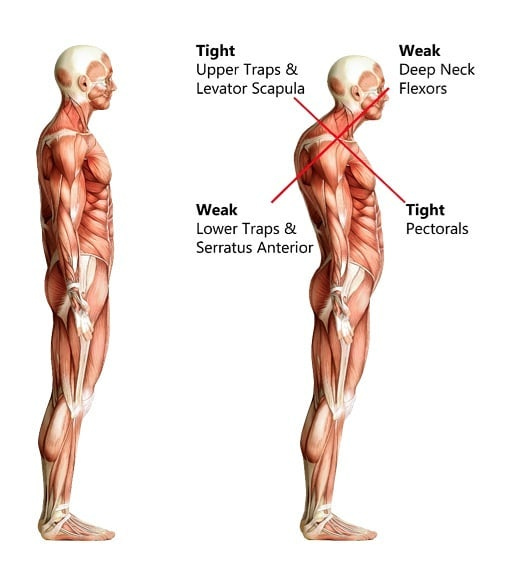
Upper cross syndrome is a term used to describe a distorted posture. For example, imagine an individual whose shoulders are slumped and whose head and neck jut forward. It is the most common posture in today’s society. This forward head posture is linked to our lifestyles. After all, our lives revolve around our smart phones and desk jobs.

Upper cross Syndrome is a chronic shortening of the sub-occipital muscles. This leads to headaches, as well as head and neck pain.

However, there is a technique that can be very effective for those developing upper cross syndrome.

This technique is known as Sub-Occipital Release technique. This release is used to stretch and soften these muscles to improve pain and posture. Also, it releases the fascia and muscles surrounding and supporting the head and neck.

The Sub-Occipital Release is an Osteopathic technique. 

The best part – it’s simple, safe and very effective.

The Sub-Occipital Release helps to soften the fascia and muscle tissue in the sub-occipital area. This helps to open up the area between the C1 (Atlas) and C2 (Axis) vertebrae. These vertebrae are at the top of the neck and the base of the head. This is also known as the occiput.

The Sub-Occipital Release is also used in the treatment of tension headaches, neck pain, shoulder pain and upper back pain.

To experience the benefits of sub-occipital release with Deepak, our Osteopath,

click the button below.

Book Osteopathy with Deepak

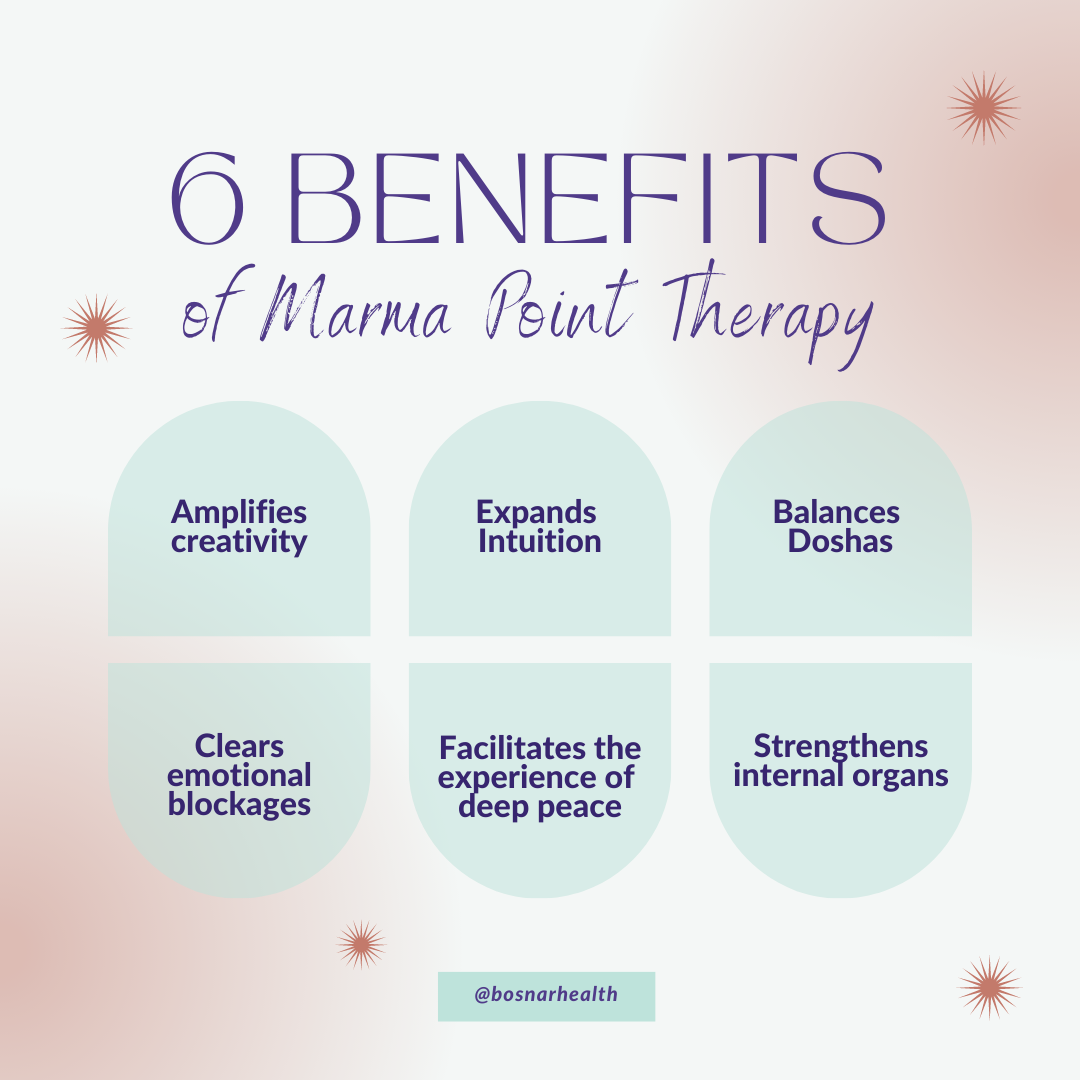
Marma Point Therapy

What is Marma Point Therapy?

Marma point therapy is an energy healing practice within the 5000-year-old Ayurvedic system of healing. It is commonly believed to have been the foundation for later point therapies such as acupuncture, acupressure, and reflexology due to the elaborate energetic matrix at its’ core. Marma points are often referred to as the junction points of consciousness and matter.

Where it began…

The ancient wisdom of Ayurveda says 72,000 channels of circulating life force flow into the physical body, like the ‘rivers of life’. Prana is the vital life force that governs all the physical and subtle processes of a living being. The points at which prana exits these ‘rivers of life’ and enters the physical body are known as marma points. Thus, marma points connect the intangible energetic body to the tangible physical body.

How Marma Point Therapy works

There are 108 marma points—107 on the physical body and one in the mind. Physically, the marma points are found where tendons, bones, muscles, joints, veins, nerves, and other tissues meet.

As Prana signifies live electricity flowing through the body, the Prana of the therapist is bound to interact with that of the subject. That means the exact location of the Marmas depend on the Prana of both the therapist and the subject. The marma points are not simply a fixed physical site.

The identification of Marmas may not be a simple physiological definition but a matter of long-term practice and concentration. This is one of the reasons for the slight variations in the methods of Marma Point Therapy adopted by different practitioners.

Each marma point corresponds to a specific vayu (function of prana), dosha (constitutional type), dhatu (bodily tissue), and srota (physical channel).


This service is provided by Mel Nadeau who is a Wellness Coach, Certified Holistic Nutritionist and Ayurvedic Practitioner, Energy/Bodyworker, Postpartum Doula and Nurse with over 20 years experience working in the field of natural health. You can learn more about her Bodywork Therapy services HERE and more about Mel as a practitioner HERE.

book a bodywork therapy session

Kids need support now more than ever

How can we help?

As a therapist I have heard a lot of “now that the pandemic is over, everything is slowly/should slowly be getting back to normal”.  Kids need support now! I think it’s more pertinent to look at what effects these last few years have had on our youngsters. What can we do to support the new landscape that we are all slowly trying to shift into?

Why is this happening?

Schools shifted to online learning for most individuals over the past few years. Not only have many academic factors been paused, but social engagements. The enhancement of social skills have also been restricted. For many kids, the last few years have been fraught with confusion. There has been a lack of explanation as to why their routines and worlds were flipped upside down. There is loneliness along with feelings relating to isolation and sadness.

Kids need support now!

From my experience post- pandemic, many kids are still reeling. From not seeing their friends consistently, working through feelings of fear/anxiety about health and wellness, many are dealing with social anxiety type symptoms. This includes feelings of vulnerability as they encounter no longer having to cover half their faces when speaking to others.

So what can we, as parents, friends, and support personnel do considering kids need support now more than ever?

1. Encourage socialization

Every family is different. I wholeheartedly support families maintaining health- related boundaries as they see fit. However, kids need support now more than ever when it comes to socialization. Encouraging youth to form new friendships and check in with former classmates is a great first step. Reconnecting with neighbours and make new friends can enhance their communication skills. It can also lessen symptoms of social anxiety, encourage the formation and enhancement of social skills, and boost mood.

2. Learn to actively listen to understand rather than listening to solve a problem

Many parents, teachers, or adults in general struggle with this! It’s a lot harder than you may think. Listening to understand is a form of actively listening. It is about holding space that doesn’t necessarily include a “fix” or a solution to an issue. This can be helpful. It can ensure your youngster feels heard and empowered to find a solution to their struggles in a meaningful way to them!

3. Validate, Validate, Validate!

These past few years have been tough for everyone. For parents, teachers, kids, your favourite barista at Starbucks, your grocer, etc. Reinforce that everyone is in this stage of recovery together!

Kids need support now when it comes to validating their pandemic experience. Listening to your child’s concerns or feelings is important. Equally important is the acceptance and validation of their experience. It is likely different to yours.

One of the ways we can foster this openness, is by holding space for youth to voice their views. This should be done without interruption, or our own input. If you’re a parent, this can be challenging. However, it’s. vital as your experience is likely very, very different to your child’s’!

4. Limit Stress as much as possible and engage in family fun!

There are SO many ways to spend time together and create positive memories! Get outside and go for a nice brisk walk. Start a new hobby together. Increase weekly family dinners or game nights. Watch a movie together. Begin having company over for birthdays and special occasions. Plan a mini weekend staycation somewhere fun. Practice mindfulness, see below for more ideas on this. Try to journal together as a family. Try a new recipe together.

Any activity that encourages fun, smiling, and laughter is a good place to start!

5. Reach out for further help if needed

There is no shame in needing additional support. What better way to model this for your child than to get that help yourself! There are many available resources for therapy, whether you are searching for family therapy, couples therapy, or individual therapy.


See below for some helpful resources and remember, you don’t have to go through this healing journey alone!


Post by Bosnar Health Psychotherapist, Flora Gerlai

book a free psychotherapy consultation
LOOKING FOR MORE RESOURCES?
  • Book an appointment with a registered psychotherapist in your area. Psychology Today is a great online resource.
  • Enrol your child/yourself in a group to share similar experiences and broaden skills
  • Mindfulness practices: journaling (try the 5-minute journal for kids), YouTube mindfulness videos and guided meditations. Mindset coach Sylvie offers guided online meditations every Wednesday. Sign up HERE.

Osteopathy

A child being treated with Craniosacral therapy technique during their Osteopathy treatment sessions.
Why choose Osteopathy?

Osteopathy embraces the philosophy that the body has an innate or natural ability to self-regulate and heal itself. There is one key factor that permits this process to proceed unimpeded. That is the ability of the body to circulate all of its fluids and liquids.

Why does this matter?

These fluids include the blood, lymph, synovial fluid, digestive juices, cerebrospinal fluid, axoplasm, and all the body’s other intra and extracellular fluids. These liquids carry many of the body’s life-sustaining compounds.

They consist of hormones, enzymes and their secretions, and immune and anti-inflammatory factors. These fluids also carry neural impulses, nutritional elements, and dissolved gases such as oxygen. They are involved in all aspects of life. From the DNA that is suspended within the intracellular fluids, to the fetus which floats in the amniotic fluid.

These fluids serve as mediums for excreting all the bi-products of digestion and cellular respiration.

What does an Osteopath look for?

An osteopath is looking for any obstruction that impedes the circulation of fluids within the body. This is the focus of osteopathic assessment and treatment. These impediments may take the form of structural or non-structural blockages. 

Structural or physical impediments include generalized twists, curves or pulls within the body. This also includes specific bones, organs or tissues that are misaligned. These faults may affect the control of a system that controls fluid circulation. They may also affect the circulation of liquids along with the life-sustaining and regulatory products that they carry.

Non-structural impediments may include emotional patterns. These patterns are responsible for maintaining the body in a certain adaptation of defence. For example, a predisposition to holding their breath. 

These adaptations are often responses to past or present stressful incidents. They are often repetitive, like raising the shoulders in times of stress or cold temperatures.

Over time, the body gradually loses its ability to efficiently self-regulate and to self-heal. Some of this loss may be due to the aging process. It could be the prolonged influence of gravity on posture. It may be trauma, accident, illness, surgical scarring, childbirth or repetitive activity. It is also possible that it is the cumulative effects of mental, emotional, physical and spiritual stress. 

Osteopathy Treatment

In most cases, the patient has had some combination of the above experiences. The result of these experiences may manifest themselves locally in the body or more frequently, the symptoms are experienced far from the site of the original site of occurrence. For this reason, the Osteopathic Manual Practitioner is said to assess the whole body.

Although treatment may be directed toward several specific areas, the effect of that treatment is often felt throughout the body. For this reason, the Osteopathic Manual Practitioner is also said to treat the whole body.

By using a meticulous methodology, as provided through traditional osteopathic education, the Osteopath can determine the origin and effects of aging, trauma and other experiences, and create and administer an appropriate treatment plan. 

This process begins by:

Interviewing the patient

Performing a complete osteopathic assessment

Assessing the position, mobility and quality of certain tissues, fluids, and rhythms of the body.

Once the nature of the patient’s condition is determined, treatment is directed towards helping the body regain its individual and optimal ability to circulate these fluids unimpeded and in sufficient quantity.  This restoration of circulation leads to the body’s natural ability to regulate and heal itself.

Uses for Osteopathy Treatment include:

Arthritis

Neuralgia

Foot, ankle, hip, and knee pain

Back pain, neck pain, and sciatica

Hand, shoulder, and elbow pain

Headaches

Tennis and golfer’s elbow

Postural problems due to pregnancy, sports injury, driving or work strain

Digestive issues

Learn more about Osteopathy and Deepak’s services on our website HERE.

Enjoy Osteopathy with Deepak on
Tuesdays & Saturdays
BOOK NOW

My Top Healing Tips for 2022

Many participants in The 5LBChallenge have requested a strategy moving forward.  They want an overview of the week as well as to know what are the next best steps to take. I want to share my thoughts on my top healing tips for 2022 that will continue to improve your health and wellness moving forward.

I want to ensure you can make 2022 your healthiest year ever!

This post is based on my January 2022 Masterclass in which I co create your morning routine. This will help you implement everything you’ve learned from the 5lb Challenge and add then some.

These are the simple and powerful healing rituals that, with consistency, will offer great reward. My top healing tips for 2022 are the 10 habits to begin stacking that will bring you the long term success you are looking for. 

My 10 Simple & Powerful Morning Healing Rituals

  1. Enjoy the Morning Sunlight (10 mins)
  2. Drink 16-20 ounces of Water first Thing in the Morning (1 min)
  3. Practice Loving Awareness with daily gratitude in The Five-Minute Journal (3 mins) 
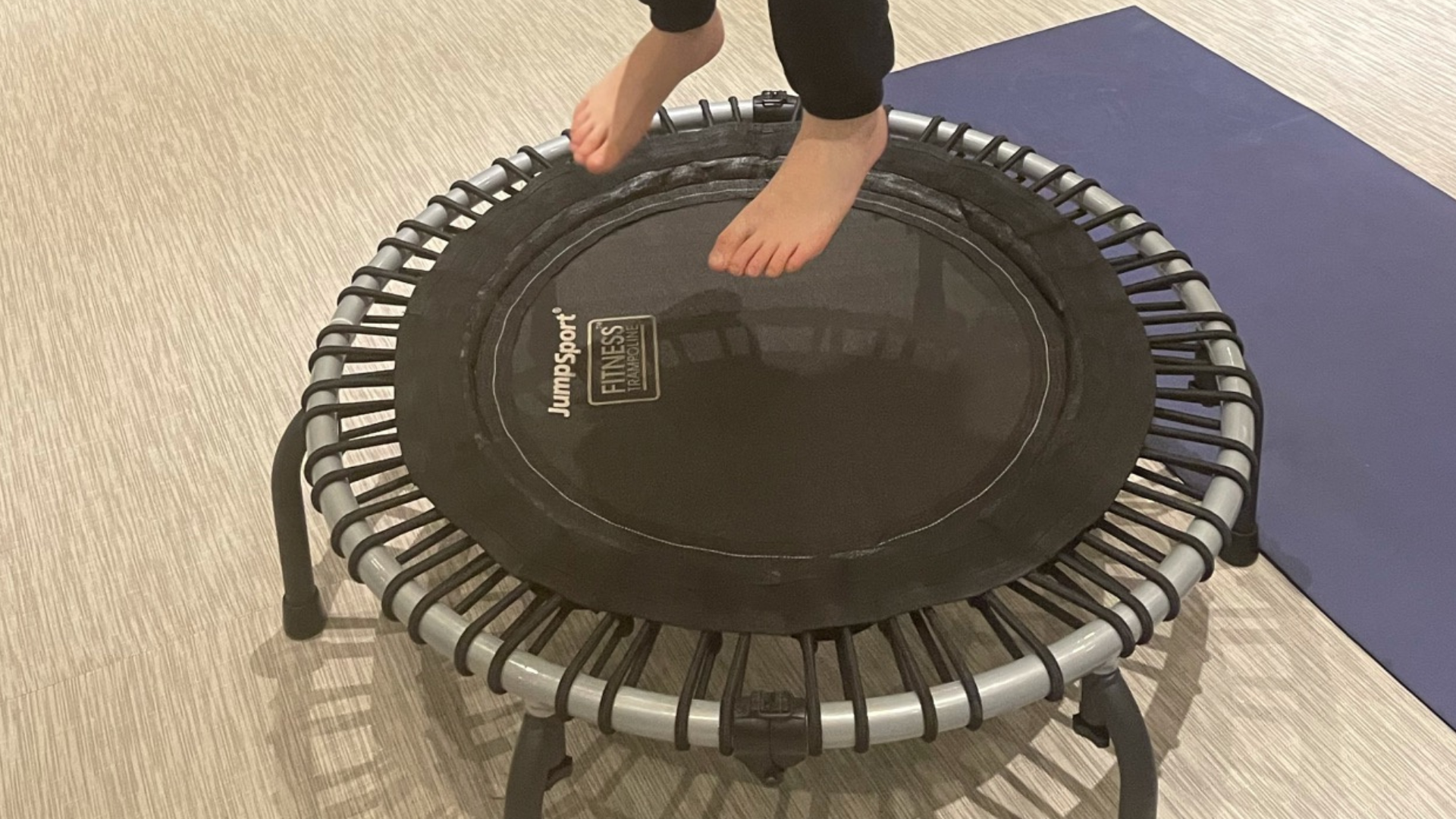
  4. Practice Joyful Movement in the Morning (10 mins)
  5. Get outside for that joyful movement (0 mins)
  6. Narrowed feeding window with Intermittent Fasting (0 mins)
  7. Sip a morning elixir of Organo Gold Coffee, Green Tea, or Red Tea (2 mins)
  8. Autonomic pairing through Breath work and Meditation (10 mins)
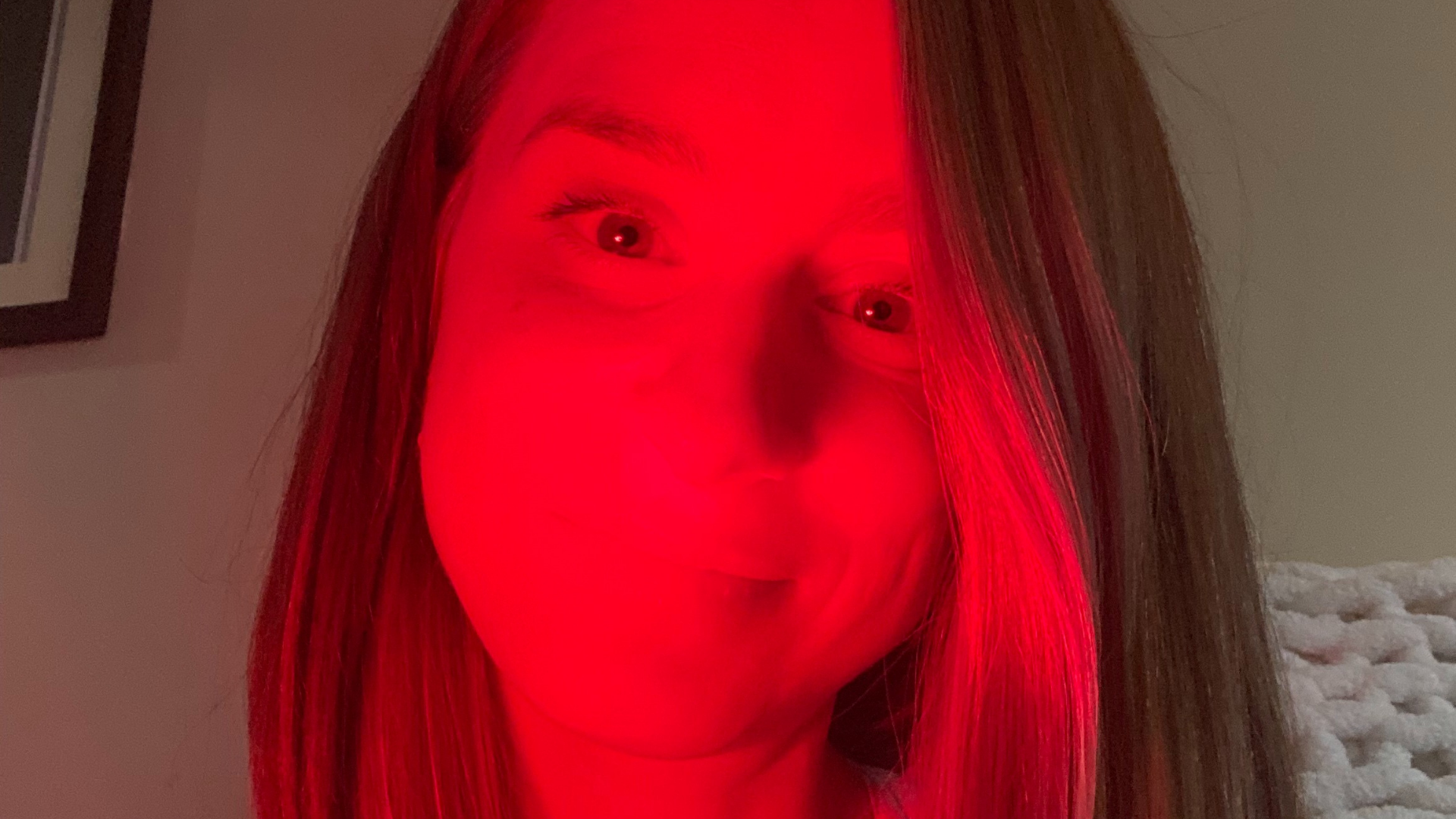
  9. Recover using Red Light Therapy during breath work/meditation (0 mins)
  10. Find a Community of Support with The Bosnar Total Reset Group
1. LOVING AWARENESS

THE FIVE-MINUTE JOURNAL

INVEST IN THE FIVE-MINUTE JOURNAL
INVEST IN THE FIVE-MINUTE JOURNAL FOR KIDS
2. AUTONOMIC PAIRING

BREATHING EXERCISES

SUBSCRIBE TO MY YOUTUBE CHANNEL
3. NARROWED FEEDING WINDOW 

INTERMITTENT FASTING

SUBSCRIBE TO MY YOUTUBE CHANNEL
4. REST & RECOVERY 

RED LIGHT THERAPY

INVEST IN A MITOREDLIGHT
INVEST IN A HIGHERDOSE RED LIGHT THERAPY MASK
5. JOYFUL MOVEMENT

REBOUNDING

INVEST IN A REBOUNDER
6. SUNGAZING

MORNING LIGHT 

INVEST IN A SMALL HAPPY LIGHT
INVEST IN A LARGE HAPPY LIGHT
7. MY MORNING ELIXIR

ORGANO GOLD

INVEST IN ORGANO GOLD REISHI BEVERAGES
8. HYDRATION

FILTERED BERKEY WATER

INVEST IN A BERKEY WATER FILTER
9. GET OUTSIDE

FIND A PARK IN YOUR NEIGHBOURHOOD

GET OUTSIDE
10. FIND YOUR COMMUNITY

IF YOU ARE LOOKING TO IMPLEMENT MORE HEALTHY HABITS JUST LIKE THIS, JOIN THE UPCOMING BOSNAR TOTAL RESET GROUP

JOIN THE BOSNAR TOTAL RESET GROUP
LOOKING FOR MORE INFORMATION?

Check out my YouTube channel where I do a deeper dive into my favourite health topics. To join me and my team for live events, visit our Events Page.

by Dr. Kristina Bosnar

Chiropractic Doctor with a Special Interest in Perinatal & Pediatric Care

Advanced Clinical Training from the Institute of Functional Medicine in

Pediatrics

Nutrigenomics

Methylation

Cognitive Decline

as well as

THE ReCODE METHOD®(BREDESEN PROTOCOL) PRACTITIONER CERTIFIED

AND THE WAHLS PROTOCOL® HEALTH PRACTITIONER CERTIFIED

The benefits of red light therapy

DOWNLOAD MY FREE MYTHBUSTING MOTHER E-GUIDE

The sun is a vital natural healing resource. However, most of us spend the majority of our time indoors. This is exactly why I speak so highly of red light therapy. Red light therapy is inspired by the healing power of the Sun. The Sun modulates our biological systems and this is known as photo bio modulation. The benefits of red light therapy have numerous health effects on the body.

Red light therapy mimics the sun rays through low power red light wavelengths. These wavelengths are absorbed directly into the skin to a depth of eight to 10 millimeters.

This has been shown to promote stronger immunity and longevity.

Red light therapy does this by increasing cell proliferation and growth factors. It also decreases inflammatory mediators and cytokines.

This therapy is now being used for weight loss, pain management and mood disorders. The benefits of red light therapy are seemingly endless. It is one of the most exciting tools that you can have in your health arsenal.

Red light therapy stimulates or decreases inflammation.

This helps to control our natural healing abilities. It reduces both inflammation and edema. This is why it’s commonly used to treat joint disorders. Red light activates the lymphatic system. This is the system that helps us to carry waste out of our body. It also increases blood flow and circulation which brings more oxygen and nutrients to our tissues.

This cellular rejuvenation and increased blood flow are the two key aspects of improving joint and tissue health. It repairs and restores connective tissue, like tendons and ligaments, as well as restores cartilage. Recent rheumatoid arthritis studies have shown that red light therapy can be used to decrease morning stiffness and joint pain.

Regular treatment also promotes recovery and healing.

This applies to everyone! Regardless if you’re a high performance athlete or recovering from a chronic health condition. This is why it’s such a great biohacking tool.

As little as two weeks of red light therapy has been shown to improve sleep quality and endurance in female athletes. Studies have shown significant improvement in physical performance, decreased soreness and reduced indicators of muscle damage. In fact, red light therapy promotes the release of ATP from the cells. ATP is also known as your body’s main energy resource.

This photochemical reaction in our cells provides new, renewable energy that our bodies can use for a variety of tasks. That’s not all! It also helps promote healing of wounds, deeper tissues and nerves.

DOWNLOAD MY FREE MYTHBUSTING MOTHER E-GUIDE

Red light therapy improves the natural production of collagen and fibroblasts.

This is so important for skincare as well as joint and digestive health. An increase in collagen production helps to reduce wrinkles and fine lines. Red light therapy also decreases redness, skin roughness and improves overall tone. This lowers the effects of oxidative stress and free radical damage, which many associate with the effects of aging.

New research is showing so much promise in the mental health field.

We all know that chronic stress changes the brain. Chronic anxiety and depression is related to changes in the mitochondria and its production of ATP. Remember, ATP is your body’s cellular energy source. This is why it’s so important to know that red light therapy stimulates the release of ATP from the cells. In fact, red light therapy can significantly stimulate the brain to improve symptoms of depression and anxiety. In a recent study, even as little as one red light therapy session showed improvement in depression scores and symptoms two weeks later. In an even larger study, as little as 8-10 minute sessions improved symptoms of depression by 92%. Even more amazingly, 82% of participants went into remission. These results lasted for up to 55 weeks post treatment. This light exposure increases neurotransmitters in the brain, like dopamine and serotonin. That is what makes us more positive and energized.

Red light therapy will also help you positively cope with stress by increasing your resilience to stress.

In a recent study, it has been shown to decrease levels of cortisol in the blood. It also decreases nitric oxide concentrations while increasing serotonin levels.

Talk about building resilience to stress!

According to recent studies, red light therapy may even reverse hair loss by stimulating hair follicle growth.

Honestly, the benefits of red light therapy are exciting and far reaching. Even more exciting is the new information coming out every day. This is why I personally recommend everyone invest in one.

For more about the red light therapy I use at home, Mitoredlight,  click HERE.  

To invest in your own healing top quality, at-home, portable red light therapy, click HERE and get 5% off your purchase.

Next Steps

If you enjoyed this content, please…

  • Join my Mythbusting Motherhood Group full of health inspired Supermoms on a similar journey to more vitality & fulfillment.
  • If you are interested to know how I can help you or a loved one, schedule a discovery call.
  • To help you inspire radical health change in your life and the lives of your loved ones, I have created a special guide: It contains tips about how to ditch the outdated Supermom mindset, how to build an awesome support system, and the daily habits that are the building blocks of good health. Simply click here to download the guide!

If you want other Supermoms just like you to be able to access this information, this knowledge, make sure to use the share buttons below to share it with someone that means the most to you.

The healing benefits of Infrared sauna use

DOWNLOAD MY FREE MYTHBUSTING MOTHER E-GUIDE

From sweat lodges to Roman baths, heat has been used for purification, detoxification, and healing rituals for centuries. Most people are vaguely familiar with the healing benefits of infrared sauna use. You may know that sauna use can give you an increase in your metabolism. You may also know that sweating aids with detoxification.

What you may not know is staggering. Studies have shown that as little as 20 minutes of sauna use, three times weekly, can decrease your chances of cardiovascular disease by a whopping 70%!

I recommend using an infrared sauna. It’s what I personally have in my home and it’s what we use in the clinic. The benefits of infrared light mimic that of the sun without the harmful UV. There’s also additional benefits to infrared heat. It penetrates deeper than traditional saunas. This leads to more healing benefits.

Firstly, Infrared Saunas should be used as a post workout recovery tool.

Infrared helps deliver more oxygen to muscle cells for faster repair and pain relief. 

Secondly, regular Infrared Sauna use increase the health of your body’s largest organ your skin.

infrared waves increased circulation, helping regenerate cells. They also help increase collagen and elastin production, the two ingredients for healthy glowing skin.

DOWNLOAD MY FREE MYTHBUSTING MOTHER E-GUIDE

Lastly, improve immunity by increasing your core body temperature with Infrared Sauna sessions.

What if I told you that a 1% increase in body temperature results in a 40% increase in immunity? That’s exactly what cancer researchers are finding. In repeated sauna sessions, resistance of cancer cells becomes weaker and weaker while immune system function becomes stronger.

These are only some of the amazing healing benefits that Infrared Saunas have. This is why I personally recommend everyone invest in one.

For more information about the infrared saunas we have in-clinic,  click HERE.  

To purchase your own healing top quality, at-home, portable infrared sauna, click HERE and use the discount code ‘kristina2’ for $75 off your sauna.

Next Steps

If you enjoyed this content, please…

  • Join my Mythbusting Motherhood Group full of health inspired Supermoms on a similar journey to more vitality & fulfillment.
  • If you are interested to know how I can help you or a loved one, schedule a discovery call.
  • To help you inspire radical health change in your life and the lives of your loved ones, I have created a special guide: It contains tips about how to ditch the outdated Supermom mindset, how to build an awesome support system, and the daily habits that are the building blocks of good health. Simply click here to download the guide!

If you want other Supermoms just like you to be able to access this information, this knowledge, make sure to use the share buttons below to share it with someone that means the most to you.

The top mysterious symptoms that should alert you to thyroid dysfunction

DOWNLOAD MY FREE MYTHBUSTING MOTHER E-GUIDE

The top mysterious symptoms that should alert you to thyroid dysfunction are not well known.

A goiter is the top symptom often associated with thyroid issues. This is basically a swelling at the base of the neck where the thyroid gland is located. Usually, this is created by nodules being formed on the thyroid because it is trying to work harder. Noticing tightness in the throat or difficulties swallowing pills are signs to take a closer look.

A goiter may be the most well known symptom of thyroid dysfunction, however, it’s not the most common symptom I see in my practice.

Unfortunately, most people don’t know that these symptoms are linked to thyroid dysfunction. Today I’m going to share with you the top mysterious symptoms that should alert you to thyroid dysfunction.

The classic symptoms of thyroid dysfunction are cold intolerance, forgetfulness and fatigue.

The thyroid gland is like the body’s thermostat. You will be colder more often when it’s not sending appropriate amounts of hormone your body to release and produce heat. Difficulty concentrating, brain fog and memory impairment are also signs the thyroid function is off. Both hyperthyroid and hypothyroid symptoms mimic mild dementia. This occurs when thyroid hormone levels fluctuate causing insufficient stimulation of different systems in the body. Finally, thyroid dysfunction causes fatigue through a number of mechanisms. Most notably, a decrease in metabolism. This decreases the amount of energy your body can produce through a molecule called ATP. ATP is our molecule for energy. When we have less ATP, we have less energy. The result is fatigue that is pervasive and long lasting.

Did you know that thyroid dysfunction could be at the root cause of your irregular bowel movements?

The thyroid hormone is known for regulating metabolism. When you have too much thyroid hormone your metabolism is revved up. In this case, you may experience diarrhea. On the other hand with too little thyroid hormone, you may experience a slower bowel. This results in constipation. In my practice, irregular bowel movements are often an early sign of thyroid dysfunction. 

DOWNLOAD MY FREE MYTHBUSTING MOTHER E-GUIDE

Hair loss can also be an early sign of thyroid dysfunction.

It affects the life cycle of each strand of hair when thyroid hormone production is disrupted. It impacts development of hair at the root, how long it grows before falling out and replacement of new growth. Thinning across the scalp and eyebrows is common. It’s usually a gradual thinning as opposed to localized bald patches. If you find yourself brushing your hair and clumps are coming out, check your thyroid function.

Thyroid hormone and metabolism

The thyroid hormone regulates essential processes for normal growth and development, as well as metabolism in adults. The thyroid is not the only component involved in regulating metabolism. However when your thyroid doesn’t produce enough hormones, the metabolism and cellular processes slow down and change. 

Next Steps

If you enjoyed this content, please…

  • Join my Mythbusting Motherhood Group full of health inspired Supermoms on a similar journey to more vitality & fulfillment.
  • If you are interested to know how I can help you or a loved one, schedule a discovery call.
  • To help you inspire radical health change in your life and the lives of your loved ones, I have created a special guide: It contains tips about how to ditch the outdated Supermom mindset, how to build an awesome support system, and the daily habits that are the building blocks of good health. Simply click here to download the guide!

If you want other Supermoms just like you to be able to access this information, this knowledge, make sure to use the share buttons below to share it with someone that means the most to you.