
fbpx

Pelvic Health: The Quiet Foundation of Whole-Body Wellness (That We’re Finally Talking About)

Pelvic Health Physiotherapy in Toronto: Symptoms You Shouldn’t Ignore & The Power of Pilates

Pelvic health is one of the most essential—and often overlooked—aspects of wellness. Whether you’re postpartum, pregnant, or just not feeling quite “right,” pelvic floor dysfunction could be the hidden cause.

From bladder leakage and low back pain to painful sex and even jaw tension, the pelvic floor touches nearly every part of your life. At our Toronto clinic, our pelvic health physiotherapy team believe pelvic health deserves the attention, expertise, and compassion it often lacks.

What is pelvic health physiotherapy?

Pelvic health physiotherapy is a specialized area of care focused on restoring function, strength, and coordination to the muscles and structures of the pelvic floor.

This therapy addresses both common and complex issues, including:

  • Bladder urgency or incontinence

  • Pelvic organ prolapse

  • Chronic constipation or bloating

  • Pain during or after sex

  • Postpartum healing and core rehab

  • Pelvic, hip, or low back pain

  • TMJ and pelvic floor tension

  • Breathing and posture dysfunction

Whether your symptoms are new or have been brushed aside for years, pelvic physiotherapy can offer clarity—and relief.

Is pelvic floor dysfunction only for postpartum women?

Nope. Pelvic floor dysfunction affects people across all genders, ages, and activity levels.

In men, it may show up as:

  • Urinary urgency or leakage

  • Chronic pelvic pain or tension

  • Erectile dysfunction

  • Prostate recovery challenges

  • Hip or lower abdominal discomfort

For athletes or active adults, symptoms can include:

  • Leaking during workouts

  • Pressure during heavy lifting

  • Deep hip or SI joint pain

  • Core weakness or instability despite training

Pelvic physiotherapy is for anyone with a pelvis. Period.

Lesser-Known Symptoms of Pelvic Floor Dysfunction

Many people don’t realize their pelvic floor could be the hidden link behind symptoms like:

TMJ and jaw pain

Your jaw and pelvic floor are neurologically and fascially connected. Chronic clenching or TMJ dysfunction often reflects tension patterns in the pelvic floor.

Breathing and rib restriction

Your diaphragm and pelvic floor work together. Dysfunction in one often affects the other—leading to shallow breathing, poor core control, and fatigue.

Bloating, constipation, and IBS

Straining, incomplete emptying, and bloating may relate to pelvic floor tightness or coordination problems, especially when digestion is also affected by stress or inflammation.

Why Pilates is a game-changer for pelvic floor rehabilitation

Pilates for pelvic floor health is more than gentle movement—it’s targeted, mindful, and deeply rehabilitative when integrated by a trained physiotherapist.

Here’s why it works:

  • Aligns breath with pelvic floor and core activation

  • Builds postural awareness and movement control

  • Strengthens without overloading healing tissues

  • Helps retrain tension patterns in a safe, supportive way

  • Supports return to activity and sport, with less fear or compensation

At our Toronto clinic, we combine Pilates-based pelvic physiotherapy with manual therapy, education, and functional movement strategies—because you deserve care that sees the full picture.

When to Book Pelvic Physiotherapy

Consider booking if you’re experiencing:

  • Leaking with cough, sneeze, or exercise

  • Pressure, heaviness, or a bulging sensation

  • Pain with intercourse, tampon use, or internal exams

  • Constipation or frequent straining

  • Chronic hip, back, or tailbone pain

  • TMJ, jaw clenching, or shallow breathing

  • Postpartum core weakness or diastasis

You don’t have to “wait and see.” The earlier you address pelvic health concerns, the better your outcomes—and the sooner you get back to moving with confidence.

Looking for Pelvic Physiotherapy in Toronto? Meet Andressa: Your Pilates-Informed Pelvic Physiotherapist

Andressa is our newest team member—and her passion for pelvic health runs deep.

Her journey began during her undergraduate training in a hospital maternity setting, working alongside a multidisciplinary team to care for pregnant and high-risk patients. That experience sparked a lifelong commitment to supporting women through pregnancy, postpartum, and beyond.

Andressa brings:

  • A strong foundation in orthopedic physical therapy

  • Certifications in manual therapy and movement-based rehab

  • A Pilates-informed approach focused on breath, core-pelvic integration, and safe strengthening

  • Expertise in guiding patients through labor preparation, postpartum recovery, and return to impact activity

  • Experience with athletic women facing underestimated pelvic demands

Her sessions blend detailed assessment, hands-on care, and progressive rehab to help you move—and feel—better, inside and out.

Ready to feel strong, supported, and symptom-free?

Pelvic floor dysfunction may be quiet—but its impact is loud. If you’re looking for pelvic health physiotherapy in Toronto, our pelvic health phsiotherapy team , Ashima & Andressa, are here to help you reconnect with your body, breath, and movement.

Book your pelvic physiotherapy session with a member of our team today.

BOOK YOUR PELVIC HEALTH SESSION NOW

Small Daily Habits to Transform Your Health in 2026 (Without Overwhelm)

Welcome to a new year, a new you… for real this time.

If you’re tired of big health goals that fizzle out by February, this post is for you. In today’s “Ask Dr. Kristina” episode (watch the video at the top of this page), I share simple, beginner-friendly micro-habits that can create real changes in how you feel — with just a few minutes a day.

If you want the full context and guidance, hit play on the video above first — then come back here for the quick, easy takeaways you can start today.

Why small habits work (and big “all-or-nothing” plans don’t)

Most people don’t need more willpower — they need a plan that actually fits real life.

When you stack tiny changes consistently, you build momentum. Over time, those “small” habits create noticeable improvements in energy, digestion, mood, sleep, and resilience.

Below are my top beginner steps — the ones I often start with before people even do testing or begin a full protocol.

1) Start your day with 30 seconds of gratitude

Gratitude isn’t just “nice.” Gratitude can support things like:

  • Lower perceived stress and anxiety

  • Better sleep and energy

  • Improved brain function

  • Even reduced chronic pain (especially when stress is a driver)

How to do it (keep it simple):

  • When you wake up: think of one thing you’re grateful for (30 seconds)

  • Before bed: do it again

  • If your mind races at night, write it down and feel the feeling (warmth, relief, love, calm)

This matters because your body often reacts to perceived stress the same way it reacts to real danger — and that stress response can drive inflammation.

2) Upgrade your morning routine (less chaos = less cortisol)

Mornings can set the tone for your whole day.

I recommend:

  • Wake up 30 minutes earlier than your last-minute rush habit

  • Give yourself space to move slowly, reflect, and start your day with ease

When you’re rushing, your stress hormone (cortisol) is already naturally higher after waking — and the chaos adds fuel to the fire.

Tiny shift to try this week:
Set your alarm 15 minutes earlier for 3 days. Then move it to 30 minutes earlier. Small steps count.

3) Hydrate for fewer headaches, better energy, and better digestion

A lot of people are walking around under-hydrated — and don’t realize it until symptoms show up.

Hydration can affect:

  • Headaches

  • Constipation

  • Mid-day fatigue

  • Mood and focus

My simple hydration tips:

  • Don’t wait until you feel thirsty (that’s often “late”)

  • Sip throughout the day (don’t chug)

  • Add minerals/electrolytes if you drink a lot but still feel thirsty

  • Include herbal tea, lemon, and other gentle fluids

Aim for roughly half your body weight in ounces of fluids daily (not counting dehydrating drinks like coffee).

4) The best drug-free anxiety reset: box breathing (under 5 minutes)

If you feel anxious, reactive, overwhelmed, or “wired,” breath work is one of the fastest ways to shift your nervous system.

My go-to starter technique is box breathing:

  • Inhale for 4

  • Hold for 4

  • Exhale for 4

  • Hold for 4
    Repeat for a few rounds.

It’s simple — and it helps move your body into a calmer “rest and restore” state where you can think more clearly and respond instead of react.

Try it:

  • In the car (traffic)

  • Between meetings

  • Before difficult conversations

  • Anytime your mind starts spiraling

5) Tummy aches + bloating: chew your food (yes, really)

Digestive symptoms are incredibly common — bloating, constipation, reflux, IBS patterns.

Before supplements, fancy protocols, or testing, I start many people with the most basic step:

Chew your food until it’s liquid.

Why it matters:

  • Digestion starts in the mouth

  • Chewing gives your brain information to release the right enzymes

  • Big unchewed pieces are harder to break down and can irritate the gut

If you only change one thing at your next meal, make it this:
Sit down, slow down, chew thoroughly, and be present for 10 minutes.

6) Narrow your eating window (without starving yourself)

Intermittent fasting isn’t “skip meals and suffer.” The idea is to give your digestion a break so your body can repair overnight.

My beginner approach:

  • Start with a 12-hour overnight fast (very doable)

  • Build slowly to 14 hours if it feels good

  • Avoid eating 3 hours before bed when possible

Important note: fasting isn’t for everyone — and if it makes you feel awful or you’re underweight, it may not be the right tool.

7) Protect sleep like it’s medicine (because it is)

Sleep impacts nearly everything — mood, weight, inflammation, brain health, immunity, hormones.

My easiest sleep upgrades:

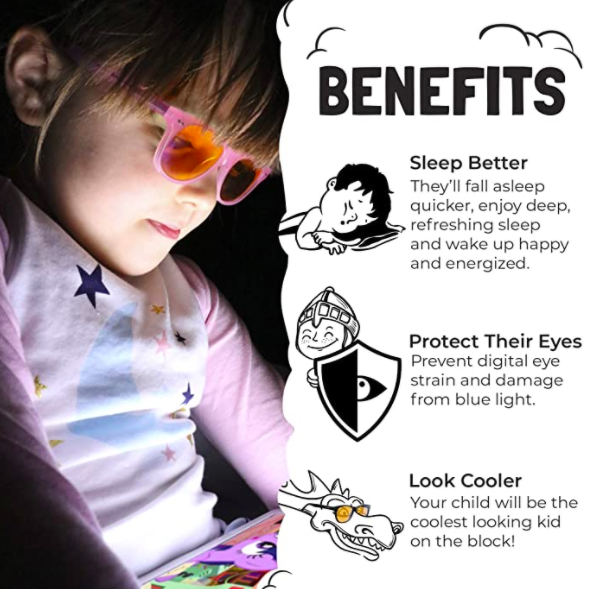
  • No screens 2 hours before bed (or use blue-blocking glasses if you must)

  • Aim for bed by 10 pm when possible

  • Sleep in a cool, dark room

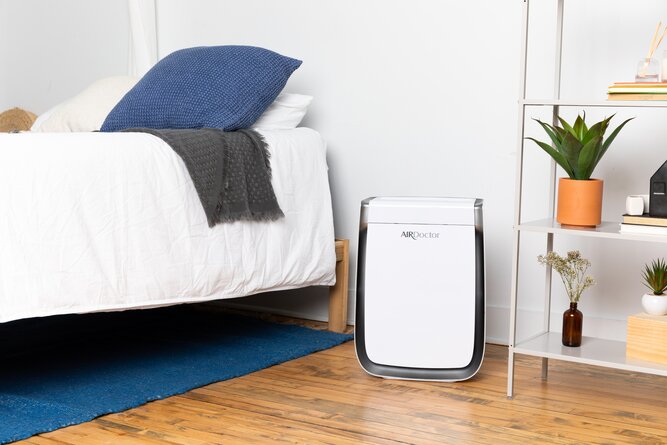
  • Keep electronics out of the bedroom

If you’re healing from chronic issues, needing 8–10 hours may be completely reasonable.

8) Reduce processed sugar (the sneaky inflammation driver)

If you struggle with mood swings, cravings, brain fog, or energy crashes, processed sugar is a big lever.

I recommend these first steps:

  • Remove sugary packaged foods and artificial sweeteners from your home

  • Use fruit (fresh or frozen) as your “sweet”

  • Keep meals balanced with protein + fat + fiber to stabilize blood sugar

The goal isn’t perfection — it’s reducing the highly inflammatory, highly addictive processed sugars that keep your body in a reactive cycle.

9) Don’t do this alone: community heals

One of the most overlooked health factors? Connection.

Isolation is linked with issues like:

  • Higher blood pressure

  • Depression

  • Obesity

  • Memory problems

Your January health goal might simply be:

  • Join a group

  • Call a friend weekly

  • Attend a community meetup (online or in-person)

  • Choose relationships that feel supportive and uplifting

Your next step: choose ONE habit and start today

You don’t need to overhaul your life this week.

Pick one:

  • 30 seconds of gratitude

  • 15 minutes earlier wake-up

  • Add one extra glass of water

  • Box breathing once per day

  • Chew your next meal slowly

Stack the next habit once the first feels easy.

And if you want my full explanation (and some encouragement), watch the video at the top of this post — it’s like having a calm, practical coach talking you through it.

Want guided support?

Here are two ways to go deeper:

If you’re ready for customized guidance, explore the options linked on this page/site.


PS: If someone you love is struggling with stress, digestion, fatigue, or inflammation — share this post and watch the video together. Small steps are easier (and more powerful) with support.

SUBSCRIBE TO MY YOUTUBE CHANNEL

And Watch What Nobody Tells You About Cold Weather & Body Pain

click here to watch my new year, new you webinar

What Nobody Tells You About Cold Weather & Body Pain

Cold weather and body pain are more connected than most people realize. As temperatures drop, many experience stiff joints, tight muscles, and overall discomfort. Yet few understand the biological and environmental reasons behind this seasonal shift. If you live in a northern climate like Toronto, where cold weather dominates much of the year, understanding how your body responds to lower temperatures is key to staying mobile, pain-free, and energized. In this post, we’ll reveal the hidden reasons behind winter body pain and share practical strategies to help you feel better all season long. Let’s breaks down why winter can hurt your body—and more importantly, how you can feel better all season.

Why Cold Weather Makes Your Body Hurt More

Blood Vessel Constriction Reduces Circulation
When temperatures drop, your body instinctively tries to conserve heat. One of the main ways it does this is through vasoconstriction—the narrowing of blood vessels—which reduces blood flow to your extremities to protect your vital organs. The result? Cold hands and feet, stiff muscles, and increased joint tension. Poor circulation means muscles don’t warm up as easily, leading to discomfort and pain.

Lower Vitamin D Levels and Inflammation
Shorter days and less sunlight in winter lead to lower vitamin D production. Vitamin D is essential for immune function and anti-inflammatory processes. When levels drop, the body becomes more prone to inflammation, muscle aches, and joint pain. Low vitamin D has also been linked to mood changes and immune dysregulation, contributing to fatigue and discomfort that many people dismiss as “just winter feeling.”

Reduced Movement
Cold weather often means less activity. People stay indoors, sit more, and move less—creating stagnant muscles and joints that tighten over time. Movement is vital for:

  • Stimulating circulation

  • Activating lymphatic drainage

  • Reducing inflammation

As one expert said, “Movement is life”—without it, the body becomes more prone to stiffness and pain.

Indoor Stressors: Air Quality and Artificial Light
Winter means closed windows, heating systems, and artificial light—all of which can contribute to dry air, headaches, trouble concentrating, fatigue, and disrupted sleep cycles due to hormonal imbalance. Combined with reduced sunlight, this environment can increase inflammation and body pain.

Diet and Inflammation in Winter
Seasonal eating habits often shift toward comfort foods—higher in sugar and calories—which can increase systemic inflammation. Chronic inflammation may contribute to joint pain and stiffness. Opting for nutrient-rich foods like root vegetables, soups with anti-inflammatory ingredients (e.g., turmeric, ginger), and balanced meals can help reduce pain and support overall health.

Practical Tips to Reduce Body Pain in Winter

Stay Active Every Day
Even small changes help. Aim for at least 30 minutes of daily activity—walking, stair climbing, stationary exercises, or simple stretches. These improve circulation and reduce muscle stiffness.

Harness Natural and Artificial Light
Expose yourself to natural light daily—even for 10 minutes—to support sleep cycles and mood. Full-spectrum lamps used in the morning can also mimic sunlight when days are short.

Dress for the Cold
Proper winter clothing—layering with moisture-wicking base layers, insulating mid-layers, and weather-proof outerwear—can prevent excessive muscle tension. Warm boots, gloves, and hats help maintain body heat and reduce pain triggers.

Warm Up Before Outdoor Activities
Before tasks like shoveling snow, take time to warm up your muscles and use proper posture to protect your joints and back. Spreading your stance, bending at the knees, and lifting correctly can prevent overuse injuries.

Hydrate and Nourish
Keeping hydrated flushes toxins and supports lymphatic movement. Pair hydration with anti-inflammatory foods to reduce joint pain and support immune function.

Winter Doesn’t Have to Mean Pain

Cold weather doesn’t automatically have to bring stiffness, aches, and low mood. By understanding the physiological, biochemical, and lifestyle factors that contribute to winter body pain, you can take control of your comfort and mobility. Stay active, nourish your body, expose yourself to light, dress appropriately, and listen to your body’s signals—your body will thank you.

Want to stay pain-free this winter? Start with a 10-minute morning walk or light-exposure routine today!


SUBSCRIBE TO MY YOUTUBE CHANNEL

And Watch What Nobody Tells You About Cold Weather & Body Pain

click here to watch my cold weather YouTube video

Rising Threat: Early Signs of Alzheimer’s in Childhood by Dr. Kristina Bosnar

For decades, we’ve thought of Alzheimer’s as a disease of old age—an inevitable, irreversible decline in brain function. But what I’m seeing in my clinical practice, and what is now backed by emerging research, is deeply concerning: signs of cognitive impairment are appearing earlier than ever, even in children and young adults. These are not isolated cases—these early signs of Alzheimer’s are part of a growing, global trend.

I’ve spent over 25 years working with families, children, and individuals of all ages. Certified in functional medicine and trained with leading figures like Dr. Dale Bredesen—who has shown reversal of early Alzheimer’s in patients—and Dr. Terry Wahls—known for her groundbreaking work on neurodegenerative disease and diet—I’ve come to see these conditions in a new light.

What We’re Seeing in the Young

In children and adolescents, cognitive symptoms often present as ADHD, anxiety, behavioural issues, depression, and mood instability. These conditions, previously seen as purely psychological or behavioural, are now understood as part of a broader picture of neuroinflammation—what I refer to as “brains on fire.”

Neuroimaging backs this up. MRI studies of children with ADHD show volumetric reductions in the prefrontal cortex and cerebellum—areas responsible for attention, memory, and emotional regulation. Similar brain atrophy is found in patients with anxiety, depression, and eventually Alzheimer’s. One 16-year study even found reduced brain volume persisting into adulthood in teens diagnosed with ADHD.

What’s more, 1 in 7 teenagers globally experience mental health disorders, and nearly 32% of adolescents are diagnosed with an anxiety disorder. Suicide is now the fourth leading cause of death among 15 to 29-year-olds worldwide. These aren’t just mental health stats—they’re warning signs of systemic, long-term brain stress.

Decades in the Making

Alzheimer’s doesn’t begin when someone forgets a name or misplaces their keys. The early signs of Alzheimer’s appear decades earlier. Research shows it takes 20 years of symptoms—subtle changes like brain fog, anxiety, poor sleep, or lack of focus—before someone is officially diagnosed with mild cognitive impairment, the precursor to dementia.

So what we’re seeing in children today isn’t the beginning of a mental health epidemic—it’s the early stage of a cognitive health crisis.

Common Root Causes

Despite the range of symptoms, many of these conditions share a root cause: neuroinflammation. This is the brain’s immune response to stressors—both internal and environmental. And our modern world is filled with those stressors:

Poor nutrition and excess sugar, leading to insulin resistance and “type 3 diabetes,” a term now used for Alzheimer’s caused by sugar toxicity.

Leaky gut and poor microbiome health, where bacterial toxins cross into the bloodstream and inflame the brain.

Environmental toxins, including pesticides, heavy metals, mold, plastics, and persistent organic pollutants.

Screen overexposure, particularly in young, developing brains, linked to digital dementia.

Sleep disruption and light pollution, which alter melatonin production and circadian rhythms critical for brain repair.

Hormone imbalance, especially the decline in testosterone and estrogen in both teens and adults due to xenoestrogens and poor dietary fat intake.

Chronic stress and emotional isolation, which are now known to directly contribute to neurodegeneration.

Reversing the Trend: The Bosnar NeuroGuards

Thankfully, the same protocols used to halt or reverse Alzheimer’s symptoms in aging patients can help prevent or mitigate these early cognitive signs in youth. My five NeuroGuards—developed from years of clinical application and functional medicine principles—can be adopted at any age.

Nature and Movement: Daily physical activity and exposure to nature reduce inflammation and support brain-derived neurotrophic factor (BDNF), a key molecule in brain regeneration. Walking barefoot, forest bathing, and sun exposure help regulate hormones and calm the nervous system.

Nutrition: A whole-food, low-sugar diet high in healthy fats, fiber, and phytonutrients supports gut-brain health. Avoiding processed foods, artificial additives, and seed oils is critical. Healthy fats (like avocado, olive oil, nuts, seeds, and wild-caught fish) are essential for hormone production and cognitive function.

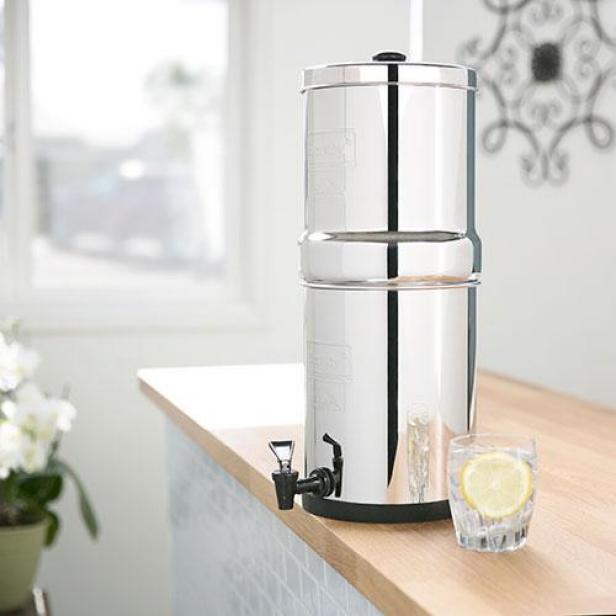
Protection from Modern Living: Reducing exposure to EMFs (turning off Wi-Fi at night, using airplane mode), filtering water, using clean personal care products, and detoxifying from mold and pollutants can drastically lower the toxic burden on the brain.

Restorative Sleep and Emotional Health: Sleep is when the brain detoxifies. Poor sleep increases beta-amyloid accumulation, a key marker in Alzheimer’s. Supporting circadian rhythms with red light at night, limiting screen time before bed, and managing stress through meditation and breathing exercises makes a huge difference.

Relationships and Intimacy: Social isolation is a risk factor for cognitive decline. Building meaningful relationships, expressing emotions, and staying engaged in community is protective. Even a five-minute conversation with a loved one has measurable impact on mood and cognition.

The Time for Action is Now

One in five children has a diagnosed mental health condition or learning disorder. Most go untreated or are treated only with medication. These numbers are rising fast, and our current healthcare system isn’t built to address the root causes. It’s time we take control with practical, science-backed strategies to protect our children’s brain health—before symptoms become permanent damage.

Through personalized testing, like the CNS Vital Signs cognitive assessment we offer at the Bosnar Health Clinic, we can detect changes early—before they escalate—and tailor interventions accordingly.

The message is clear: Alzheimer’s is no longer just a disease of the elderly. The warning signs are starting early, but so are the opportunities for prevention and even reversal. The tools are here. The science supports it. The decision to act is ours.


download the bosnar neuroguards for kids free e-guide
SUBSCRIBE TO MY YOUTUBE CHANNEL

And Watch My Rising Threat: Early Signs of Alzheimer’s in Childhood Webinar

click here to watch my rising threat YouTube video

Sleep Solutions: The Science of Restoring Mind and Body by Dr. Kristina Bosnar

Don’t settle for sleepless nights—my Sleep Solutions video reveals simple, effective strategies to help you reclaim your rest.

We’ve all had nights where we toss and turn, only to wake up feeling foggy, cranky, and craving sugar.

But what if poor sleep was doing more than just making you groggy? What if it was silently impacting your heart, hormones, waistline, and even your risk for chronic disease?

The truth is: sleep is not optional—it’s foundational.

Here’s what science tells us:

  • Getting less than 6 hours of sleep per night increases your risk of cardiovascular disease by 200%.
  • A Harvard study found sleeping under 6 hours raises your risk of coronary artery disease by 200–300%.
  • Just one night of 4 hours of sleep can suppress your immune system, leaving you more vulnerable to infections and even cancer.
  • Lack of sleep disrupts your hunger hormones—causing you to eat more while feeling less satisfied.
  • Poor sleep is linked to cognitive decline: 1 in 4 people with memory issues also have disordered sleep.
 

And here’s something most people don’t realize: A good night’s sleep actually begins first thing in the morning.

If you’re struggling with restless nights, waking up exhausted, or relying on “quick fixes” that don’t last, this YouTube video on sleep solutions is for you.

In this video, I cover:

Why sleep struggles are more than just “bad habits”

How stress, blood sugar, gut health, and inflammation affect your rest

Functional Medicine strategies to help you sleep deeply and wake up restored

This isn’t another list of sleep hygiene tips—it’s about uncovering and healing the root causes of poor sleep so your body can repair, recharge, and thrive.

Imagine what life could look like when you wake up energized, focused, and ready to conquer your day—without the brain fog, cravings, or burnout. 


SUBSCRIBE TO MY YOUTUBE CHANNEL

And Watch My Sleep Solutions Webinar

click here to watch my sleep solutions YouTube video

Back-to-School Lunches Kids Will Actually Eat: A Parent’s Guide by Dr. Kristina Bosnar

a cheerful child unpacking a colourful, balanced lunchbox

It’s that time of year again—back-to-school lunch ideas are top of mind for busy parents. And one of the most common questions I hear is:

“How do I pack a lunch my kids will actually eat?”

If your child devours the bagel and granola bar but leaves the veggies untouched, you’re not alone. The good news? With a few tweaks, you can pack lunches that fuel focus, support immunity, and actually get eaten.

Protein Breakfasts That Fuel Focus

What kids eat first thing in the morning can impact their energy and concentration for the rest of the day.

Skip the cereal. Try instead:

  • Scrambled eggs with turkey sausage or bacon

  • Protein smoothie with berries, spinach, or avocado

  • Leftover steak, chicken, or lamb patties

Starting the day with protein reduces mid-morning crashes and helps kids stay focused in class.

LUNCHBOX FORMULA

1 PROTEIN + 1 VEGGIE + 1 FRUIT + 1 NOURISHING TREAT

What to Pack in a Balanced School Lunch

Kids eat what they enjoy—so make every bite count. A great lunch doesn’t need to be complicated.

Lunchbox formula:
1 Protein + 1 Veggie + 1 Fruit + 1 Fun Nourishing Treat

Sample combos:

  • Turkey wrap (protein)

  • Carrot sticks (veggie)

  • Apple slices (fruit)

  • Mini banana muffin with added protein (treat, preferably gluten-free and dairy-free. I love the Stellar Eats premade mixes!)

Keep it simple but satisfying:

  • Sliced chicken, steak strips, or meatballs

  • Crunchy veggies like cucumbers, carrots, or even pickles

  • Easy-to-grab fruits like grapes or berries

  • Homemade protein muffins or banana bread

Pro Tip: If your child only eats packaged snacks, stop including them. When real food is the only option, they’ll start eating it.

Real-Food Fixes for Picky Eaters

Some kids won’t touch certain foods—and that’s okay. Instead, rotate nutrient-dense versions of their favourites.

Kid-approved upgrades:

  • Baked chicken wings

  • Steak strips or burger patties for little athletes

  • Protein-rich sandwiches with sourdough bread

Even just 2–3 go-to healthy meals can make a big difference.

Quick-Prep Recipes & Snack Tips

Want to simplify your mornings? Batch prep on weekends!

  • Bake muffins or banana bread with protein powder for a healthy treat (I use Stellar Eats banana bread mix with the Designs for Health unflavoured protein powder.)

  • Make mini turkey or lamb patties for grab-and-go lunches

  • Try homemade pickles—easy to make and surprisingly popular with kids!

Get kids involved: Whether it’s washing veggies or mixing muffin batter, kids who help in the kitchen are more excited to eat what they’ve made.

You’ve Got This, Supermom

No need to aim for a “perfect” lunchbox every day. Keep it protein-focused, cut the sugary snacks, and involve your kids in the process. Over time, they’ll adapt—and their energy, focus, and moods will reflect it.

Here’s to a healthy, happy back-to-school season!

back-to-school lunch ideas - making homemade pickles
click here and search designs for health protein powders
Why Choose Grass-Fed Beef Protein?

For clean, nutrient-dense support, grass-fed beef protein is one of my go-tos. My favourite is the PurePaleo protein powders from Designs for Health in unflavoured, vanilla or chocolate, depending on your preference. It offers:

  • Complete amino acid profile + collagen support

  • Dairy-free, gentle on digestion

  • Naturally rich in iron, zinc, B vitamins, and creatine

  • Sustained energy without crashes

  • Omega-3s, CLA, and antioxidants from grass-fed sources

Bottom line: It’s a smart protein option for both kids and parents—especially if you’re looking to reduce dairy or support joint health.

Here’s to a healthy, happy back-to-school season!

Upper Cross Syndrome: Today’s most common posture
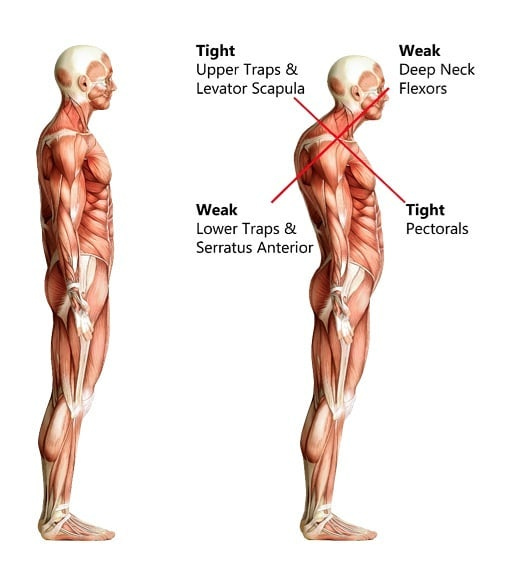
Upper cross syndrome is a term used to describe a distorted posture. For example, imagine an individual whose shoulders are slumped and whose head and neck jut forward. It is the most common posture in today’s society. This forward head posture is linked to our lifestyles. After all, our lives revolve around our smart phones and desk jobs.

Upper cross Syndrome is a chronic shortening of the sub-occipital muscles. This leads to headaches, as well as head and neck pain.

However, there is a technique that can be very effective for those developing upper cross syndrome.

This technique is known as Sub-Occipital Release technique. This release is used to stretch and soften these muscles to improve pain and posture. Also, it releases the fascia and muscles surrounding and supporting the head and neck.

The Sub-Occipital Release is an Osteopathic technique. 

The best part – it’s simple, safe and very effective.

The Sub-Occipital Release helps to soften the fascia and muscle tissue in the sub-occipital area. This helps to open up the area between the C1 (Atlas) and C2 (Axis) vertebrae. These vertebrae are at the top of the neck and the base of the head. This is also known as the occiput.

The Sub-Occipital Release is also used in the treatment of tension headaches, neck pain, shoulder pain and upper back pain.

To experience the benefits of sub-occipital release with Deepak, our Osteopath,

click the button below.

Book Osteopathy with Deepak

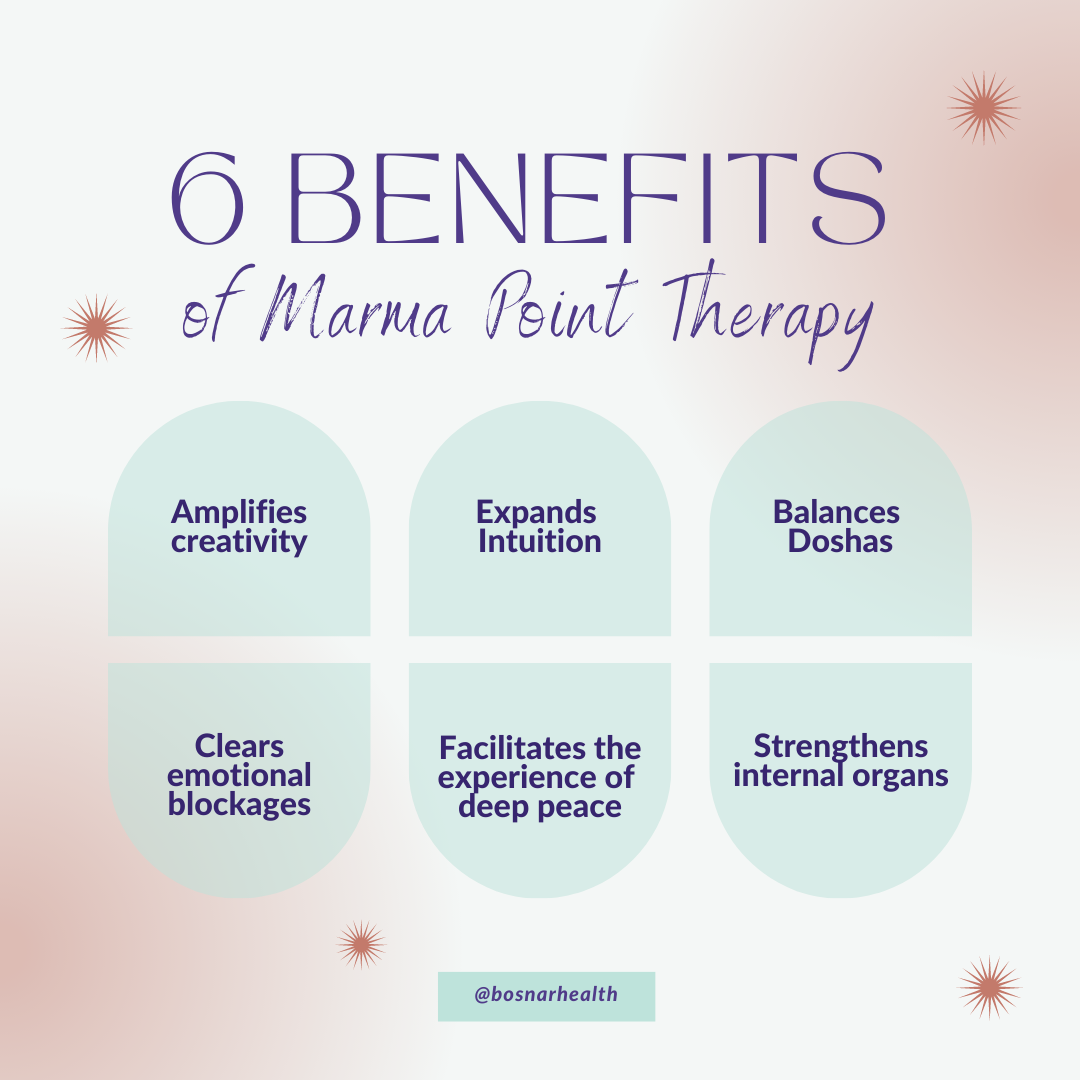
Marma Point Therapy

What is Marma Point Therapy?

Marma point therapy is an energy healing practice within the 5000-year-old Ayurvedic system of healing. It is commonly believed to have been the foundation for later point therapies such as acupuncture, acupressure, and reflexology due to the elaborate energetic matrix at its’ core. Marma points are often referred to as the junction points of consciousness and matter.

Where it began…

The ancient wisdom of Ayurveda says 72,000 channels of circulating life force flow into the physical body, like the ‘rivers of life’. Prana is the vital life force that governs all the physical and subtle processes of a living being. The points at which prana exits these ‘rivers of life’ and enters the physical body are known as marma points. Thus, marma points connect the intangible energetic body to the tangible physical body.

How Marma Point Therapy works

There are 108 marma points—107 on the physical body and one in the mind. Physically, the marma points are found where tendons, bones, muscles, joints, veins, nerves, and other tissues meet.

As Prana signifies live electricity flowing through the body, the Prana of the therapist is bound to interact with that of the subject. That means the exact location of the Marmas depend on the Prana of both the therapist and the subject. The marma points are not simply a fixed physical site.

The identification of Marmas may not be a simple physiological definition but a matter of long-term practice and concentration. This is one of the reasons for the slight variations in the methods of Marma Point Therapy adopted by different practitioners.

Each marma point corresponds to a specific vayu (function of prana), dosha (constitutional type), dhatu (bodily tissue), and srota (physical channel).


This service is provided by Mel Nadeau who is a Wellness Coach, Certified Holistic Nutritionist and Ayurvedic Practitioner, Energy/Bodyworker, Postpartum Doula and Nurse with over 20 years experience working in the field of natural health. You can learn more about her Bodywork Therapy services HERE and more about Mel as a practitioner HERE.

book a bodywork therapy session

Kids need support now more than ever

How can we help?

As a therapist I have heard a lot of “now that the pandemic is over, everything is slowly/should slowly be getting back to normal”.  Kids need support now! I think it’s more pertinent to look at what effects these last few years have had on our youngsters. What can we do to support the new landscape that we are all slowly trying to shift into?

Why is this happening?

Schools shifted to online learning for most individuals over the past few years. Not only have many academic factors been paused, but social engagements. The enhancement of social skills have also been restricted. For many kids, the last few years have been fraught with confusion. There has been a lack of explanation as to why their routines and worlds were flipped upside down. There is loneliness along with feelings relating to isolation and sadness.

Kids need support now!

From my experience post- pandemic, many kids are still reeling. From not seeing their friends consistently, working through feelings of fear/anxiety about health and wellness, many are dealing with social anxiety type symptoms. This includes feelings of vulnerability as they encounter no longer having to cover half their faces when speaking to others.

So what can we, as parents, friends, and support personnel do considering kids need support now more than ever?

1. Encourage socialization

Every family is different. I wholeheartedly support families maintaining health- related boundaries as they see fit. However, kids need support now more than ever when it comes to socialization. Encouraging youth to form new friendships and check in with former classmates is a great first step. Reconnecting with neighbours and make new friends can enhance their communication skills. It can also lessen symptoms of social anxiety, encourage the formation and enhancement of social skills, and boost mood.

2. Learn to actively listen to understand rather than listening to solve a problem

Many parents, teachers, or adults in general struggle with this! It’s a lot harder than you may think. Listening to understand is a form of actively listening. It is about holding space that doesn’t necessarily include a “fix” or a solution to an issue. This can be helpful. It can ensure your youngster feels heard and empowered to find a solution to their struggles in a meaningful way to them!

3. Validate, Validate, Validate!

These past few years have been tough for everyone. For parents, teachers, kids, your favourite barista at Starbucks, your grocer, etc. Reinforce that everyone is in this stage of recovery together!

Kids need support now when it comes to validating their pandemic experience. Listening to your child’s concerns or feelings is important. Equally important is the acceptance and validation of their experience. It is likely different to yours.

One of the ways we can foster this openness, is by holding space for youth to voice their views. This should be done without interruption, or our own input. If you’re a parent, this can be challenging. However, it’s. vital as your experience is likely very, very different to your child’s’!

4. Limit Stress as much as possible and engage in family fun!

There are SO many ways to spend time together and create positive memories! Get outside and go for a nice brisk walk. Start a new hobby together. Increase weekly family dinners or game nights. Watch a movie together. Begin having company over for birthdays and special occasions. Plan a mini weekend staycation somewhere fun. Practice mindfulness, see below for more ideas on this. Try to journal together as a family. Try a new recipe together.

Any activity that encourages fun, smiling, and laughter is a good place to start!

5. Reach out for further help if needed

There is no shame in needing additional support. What better way to model this for your child than to get that help yourself! There are many available resources for therapy, whether you are searching for family therapy, couples therapy, or individual therapy.


See below for some helpful resources and remember, you don’t have to go through this healing journey alone!


Post by Bosnar Health Psychotherapist, Flora Gerlai

book a free psychotherapy consultation
LOOKING FOR MORE RESOURCES?
  • Book an appointment with a registered psychotherapist in your area. Psychology Today is a great online resource.
  • Enrol your child/yourself in a group to share similar experiences and broaden skills
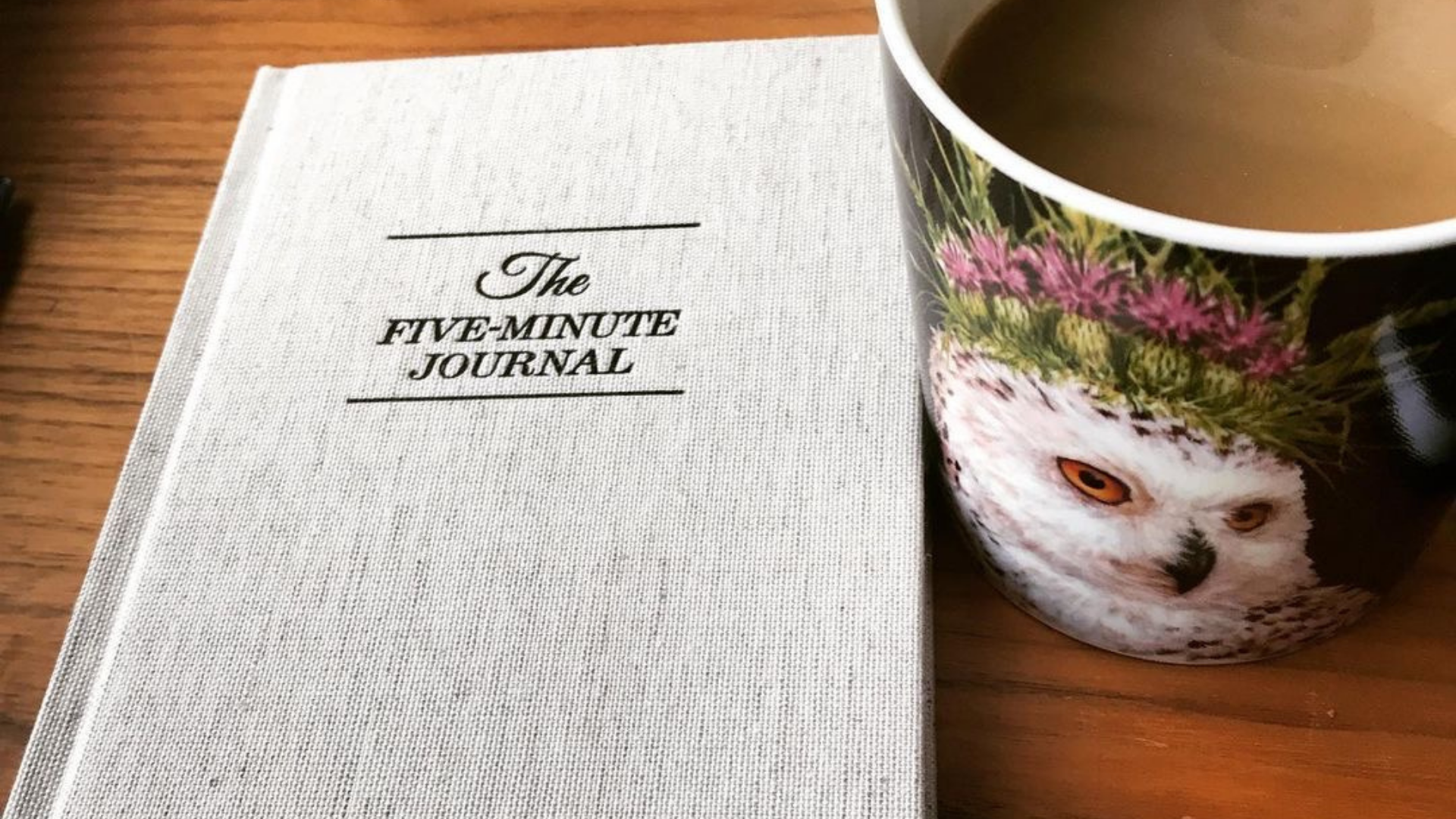
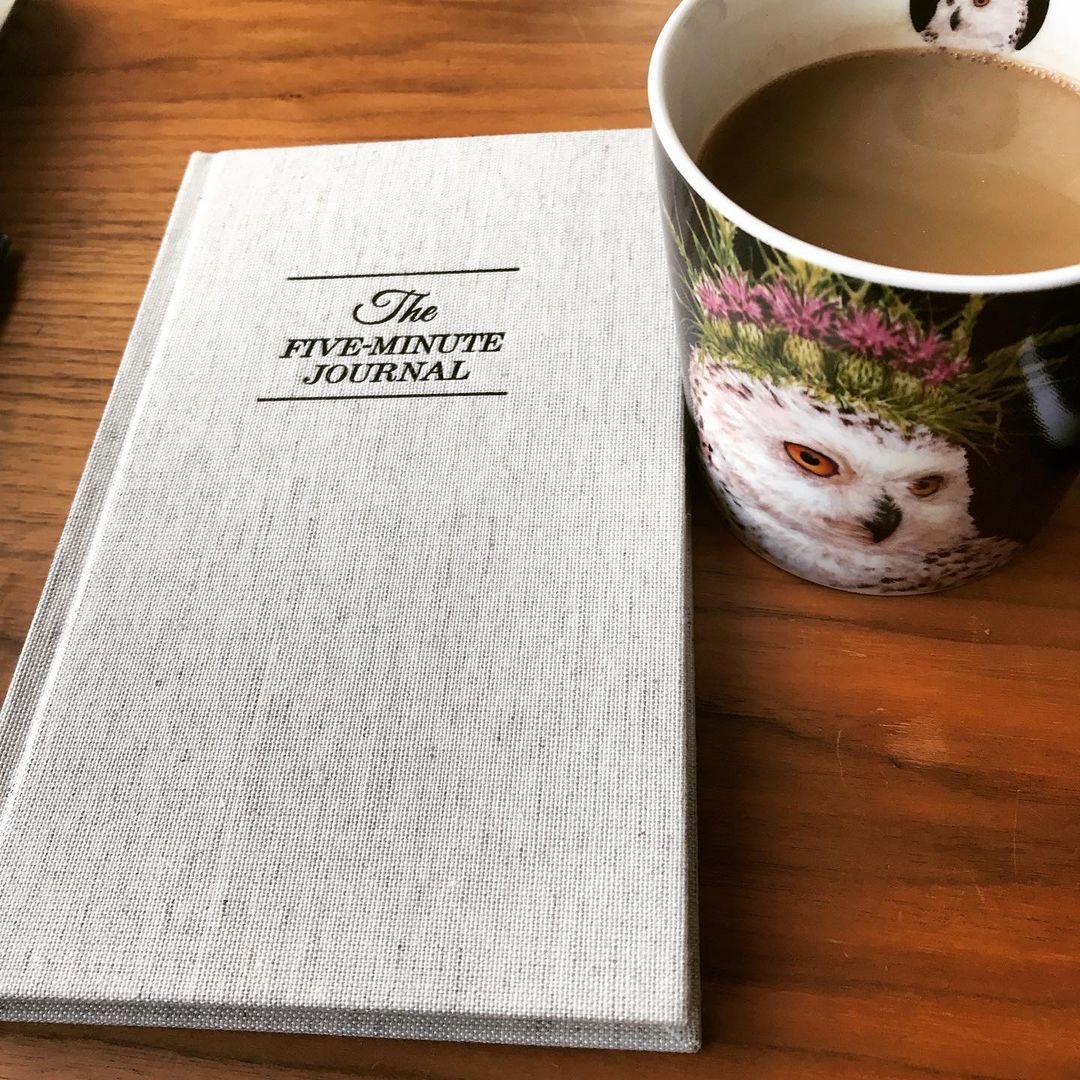
  • Mindfulness practices: journaling (try the 5-minute journal for kids), YouTube mindfulness videos and guided meditations. Mindset coach Sylvie offers guided online meditations every Wednesday. Sign up HERE.

Osteopathy

A child being treated with Craniosacral therapy technique during their Osteopathy treatment sessions.
Why choose Osteopathy?

Osteopathy embraces the philosophy that the body has an innate or natural ability to self-regulate and heal itself. There is one key factor that permits this process to proceed unimpeded. That is the ability of the body to circulate all of its fluids and liquids.

Why does this matter?

These fluids include the blood, lymph, synovial fluid, digestive juices, cerebrospinal fluid, axoplasm, and all the body’s other intra and extracellular fluids. These liquids carry many of the body’s life-sustaining compounds.

They consist of hormones, enzymes and their secretions, and immune and anti-inflammatory factors. These fluids also carry neural impulses, nutritional elements, and dissolved gases such as oxygen. They are involved in all aspects of life. From the DNA that is suspended within the intracellular fluids, to the fetus which floats in the amniotic fluid.

These fluids serve as mediums for excreting all the bi-products of digestion and cellular respiration.

What does an Osteopath look for?

An osteopath is looking for any obstruction that impedes the circulation of fluids within the body. This is the focus of osteopathic assessment and treatment. These impediments may take the form of structural or non-structural blockages. 

Structural or physical impediments include generalized twists, curves or pulls within the body. This also includes specific bones, organs or tissues that are misaligned. These faults may affect the control of a system that controls fluid circulation. They may also affect the circulation of liquids along with the life-sustaining and regulatory products that they carry.

Non-structural impediments may include emotional patterns. These patterns are responsible for maintaining the body in a certain adaptation of defence. For example, a predisposition to holding their breath. 

These adaptations are often responses to past or present stressful incidents. They are often repetitive, like raising the shoulders in times of stress or cold temperatures.

Over time, the body gradually loses its ability to efficiently self-regulate and to self-heal. Some of this loss may be due to the aging process. It could be the prolonged influence of gravity on posture. It may be trauma, accident, illness, surgical scarring, childbirth or repetitive activity. It is also possible that it is the cumulative effects of mental, emotional, physical and spiritual stress. 

Osteopathy Treatment

In most cases, the patient has had some combination of the above experiences. The result of these experiences may manifest themselves locally in the body or more frequently, the symptoms are experienced far from the site of the original site of occurrence. For this reason, the Osteopathic Manual Practitioner is said to assess the whole body.

Although treatment may be directed toward several specific areas, the effect of that treatment is often felt throughout the body. For this reason, the Osteopathic Manual Practitioner is also said to treat the whole body.

By using a meticulous methodology, as provided through traditional osteopathic education, the Osteopath can determine the origin and effects of aging, trauma and other experiences, and create and administer an appropriate treatment plan. 

This process begins by:

Interviewing the patient

Performing a complete osteopathic assessment

Assessing the position, mobility and quality of certain tissues, fluids, and rhythms of the body.

Once the nature of the patient’s condition is determined, treatment is directed towards helping the body regain its individual and optimal ability to circulate these fluids unimpeded and in sufficient quantity.  This restoration of circulation leads to the body’s natural ability to regulate and heal itself.

Uses for Osteopathy Treatment include:

Arthritis

Neuralgia

Foot, ankle, hip, and knee pain

Back pain, neck pain, and sciatica

Hand, shoulder, and elbow pain

Headaches

Tennis and golfer’s elbow

Postural problems due to pregnancy, sports injury, driving or work strain

Digestive issues

Learn more about Osteopathy and Deepak’s services on our website HERE.

Enjoy Osteopathy with Deepak on
Tuesdays & Saturdays
BOOK NOW